
The Ladder Climb That Changed Everything
It was a warm Saturday morning in El Dorado Hills, the kind that practically invites you to get home projects done. Michael, a meticulous homeowner known in the neighborhood for keeping his property in top shape, had planned a quick attic inspection.
A faint drip from the upstairs ceiling had worried him earlier in the week. Thinking it might be a small roof leak or clogged gutters, he grabbed his ladder and flashlight and headed toward the attic hatch.
Michael figured it would be a quick look—five minutes at most.
But the moment he pushed open the hatch and peeked his head inside, his day—and his month—took an unexpected turn.
The Startling Discovery
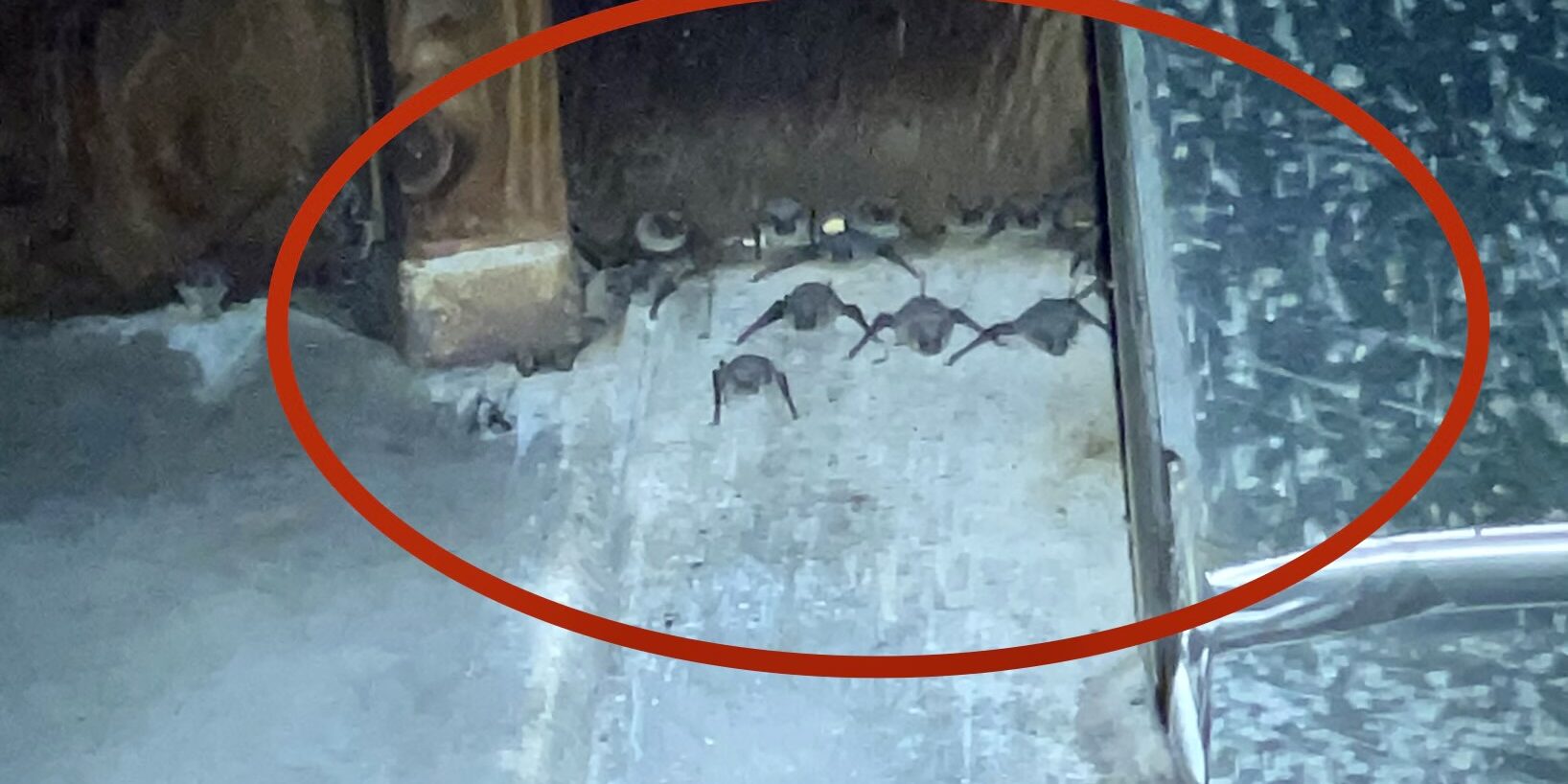
At first glance, the attic seemed still. Then Michael’s flashlight beam caught something unusual: dozens of small, dark shapes clustered along the rafters.
They twitched. They shifted. And then he heard it—the faint, high-pitched chittering.
Bats.
Not just one or two. This was a full colony, their tiny claws gripping the wood beams, their leathery wings wrapped around their bodies like cloaks. The air carried a pungent, musty odor, unmistakable once it hit his nose.
Michael froze. He’d seen a stray bat in a garage once before, but this? This was something else entirely.
Shock Turns to Concern
Climbing back down the ladder, Michael’s thoughts raced:
- Were they dangerous?
- Could they carry rabies?
- What about the droppings—weren’t they toxic?
He’d read about histoplasmosis, a lung infection caused by inhaling spores from bat guano. He didn’t know if his attic was already contaminated.
One thing was clear: this wasn’t a situation he could handle on his own.
Why Bats in the Attic Are a Big Deal
Michael quickly learned that while bats are essential to the ecosystem—helping control insect populations and pollinating plants—having them inside your home is a serious issue.
Potential problems include:
- Health Risks – Guano can harbor dangerous fungi.
- Property Damage – Droppings and urine can corrode wood and metal.
- Structural Complications – Weight of accumulated guano can damage insulation and wood beams.
Removing them isn’t as simple as sealing an entry hole. Done incorrectly, you could trap bats inside, creating chaos and killing the animals—a scenario that’s both inhumane and potentially illegal.
Turning to the Internet for Help
That afternoon, Michael opened his laptop and began searching for solutions. He tried everything from how to get rid of bats in attic to El Dorado Hills bat control.
Over and over, two phrases kept appearing: bat removal El Dorado Hills and Bat abatement. Both terms led him to the same conclusion: he needed a licensed wildlife removal professional—someone who knew local bat species, understood the legal protections in place, and could humanely remove the animals.
One name stood out to him during his research: Thomas Wildlife Control & Roofing. They had strong local reviews, specific experience with bat colonies, and expertise in sealing and repairing roofing afterward—something many pest companies couldn’t offer.
Calling the Professionals
Michael dialed their number, half-expecting to be told he’d have to wait a week. Instead, the friendly voice on the other end assured him they could inspect the next morning.
When he described the scene—an attic full of bats, strong odor, visible guano—the technician didn’t sound rattled. “We’ve handled plenty of bat colonies in El Dorado Hills,” they said. “We’ll remove them humanely and make sure they can’t get back in.”
The Inspection
The next day, a Thomas Wildlife Control & Roofing technician arrived in a marked truck, equipped with ladders, protective gear, and specialized inspection tools.
The process began with a complete exterior survey. The technician pointed out small openings in the eaves and vents, explaining how bats can squeeze through gaps as small as half an inch.
Inside the attic, they confirmed Michael’s suspicion: a maternity colony of at least 60 bats. The guano deposits were significant, and the smell was potent.
The technician laid out a plan:
- Observation – Monitor bat activity at dusk to determine all exit points.
- One-Way Devices – Install humane exclusion systems that let bats leave but prevent re-entry.
- Sealing the Structure – Once the bats were gone, seal all potential re-entry points.
- Sanitation – Remove guano, disinfect, and restore the attic to safe condition.
Why Bat Abatement Requires Expertise
As the technician explained, Bat abatement isn’t just about getting the bats out—it’s about ensuring they never return, all while protecting the colony. In California, certain bat species are protected, and removal must be timed outside of maternity season to avoid harming pups.
Thomas Wildlife Control & Roofing had the experience to handle these timing concerns, ensuring legal compliance and humane treatment.
The Exclusion Process in Action
Over several evenings, the team observed the bats leaving the attic at dusk. It was almost mesmerizing—tiny silhouettes streaming into the warm night air in search of insects.
Once they were confident all bats were leaving through specific points, they installed one-way exclusion devices: narrow tubes and netting systems that allowed bats to exit but not re-enter.
Within a week, the attic was silent. The colony had moved on to a more suitable roost.
Sealing the Fortress
With the bats gone, it was time for permanent prevention. The Thomas Wildlife Control & Roofing crew climbed onto the roof, replacing worn flashing, sealing cracks along fascia boards, and installing heavy-duty mesh over vents.
They used materials designed to withstand both weather and wildlife pressure, ensuring no bat—or other creature—could slip back inside.
The Cleanup Operation
The removal of guano required full protective measures. Wearing respirators, gloves, and disposable suits, the crew carefully vacuumed droppings using a HEPA filtration system.
After physical removal, they applied a disinfectant to neutralize odors and kill any remaining pathogens. The transformation was striking: what had been a foul-smelling, contaminated space was now clean and safe.
A Full-Service Approach
One of the advantages of hiring Thomas Wildlife Control & Roofing was that they didn’t just remove the bats—they restored the integrity of Michael’s roof in the process. Many wildlife removal companies stop at sealing holes, but this team repaired shingles, reinforced eaves, and inspected for unrelated roof damage while they worked.
The Final Walkthrough
After the last repair was complete, the lead technician gave Michael a full tour. The attic was spotless, entry points were sealed, and the roof was in better condition than before the infestation.
“You’re good to go,” the technician said. “As long as these seals stay intact, you won’t have bats—or any other wildlife—getting in.”
Reflecting on the Ordeal
Looking back, Michael realized how easily he could have made the situation worse by trying DIY methods. Without the expertise of Thomas Wildlife Control & Roofing, he might have trapped bats inside, exposed himself to health hazards, or failed to prevent their return.
Instead, he had peace of mind, a clean attic, and a secure home.
Lessons for Other Homeowners
Michael’s story holds several important takeaways:
- Don’t Ignore the Signs – Unusual smells, faint noises, or droppings can mean wildlife has moved in.
- Search for Local Experts – Look for companies specializing in bat removal El Dorado Hills.
- Understand Bat Abatement – Humane, legal removal protects both your home and the bats.
- Choose Full-Service Professionals – A company like Thomas Wildlife Control & Roofing handles removal, prevention, and repairs in one process.
Why El Dorado Hills Homes Are Vulnerable
The mix of suburban development, wooded landscapes, and nearby water sources makes El Dorado Hills ideal for bats. Attics offer warmth, safety from predators, and shelter from weather—making them irresistible to roosting colonies.
The Legal and Seasonal Aspect
In California, bat removal must be carefully timed. Disturbing a maternity colony during pup season can be illegal and inhumane. Thomas Wildlife Control & Roofing factored this into their schedule, ensuring no young bats were harmed.
The Cost of Inaction
Had Michael left the bats alone, the colony could have expanded, causing more damage and increasing health risks. Guano would have continued to accumulate, potentially costing thousands more in repairs and remediation.
Peace at Last
Today, Michael’s attic is quiet, clean, and secure. On summer evenings, he sometimes spots bats swooping through the sky and feels a strange sense of connection—knowing they once lived in his home, and that they’re now thriving in their proper habitat.
When neighbors mention strange noises in their own attics, Michael doesn’t hesitate:
“Call Thomas Wildlife Control & Roofing,” he says. “Don’t waste time. They’ll take care of it, and they’ll do it right.”