
When homeowners in Folsom hear scratching in the attic, movement inside the walls, or scurrying sounds near the roofline, the first reaction is usually confusion. Is it a rat? A mouse? A squirrel? Is it on the roof, inside the attic, or actually inside the wall cavity?
In many cases, the problem turns out to be rodents using small gaps around the roofline, vents, pipes, fascia, eaves, crawlspaces, or attic access points to get inside. Once rats find a safe place with warmth, shelter, and nearby food or water, they can turn a small opening into a recurring problem.
That is why professional folsom rodent removal is not just about catching a few rats. The real goal is to figure out how they are getting in, remove the active rodents, seal the entry points, clean up the contamination, and repair damage so the same issue does not keep coming back.
For many Folsom homeowners, rodents are not just a nuisance. They can damage insulation, chew materials around the roofline, leave droppings and urine in attic spaces, create odors, and make parts of the home feel unsafe or unhealthy. The longer the activity continues, the more complicated the job can become.
Why Rodents Are So Common Around Folsom Homes
Folsom has many of the conditions rodents like. Homes often sit near trees, greenbelts, drainage areas, creeks, open space, landscaped yards, and established neighborhoods with mature vegetation. That does not mean a home is dirty or poorly maintained. It simply means rats and other rodents have plenty of outdoor habitat nearby.
Once rodents are active around a neighborhood, they look for three things: food, water, and shelter. Food can come from pet food, bird seed, fruit trees, garbage cans, compost, outdoor kitchens, or even small crumbs around patios and garages. Water can come from irrigation, fountains, pet bowls, leaking fixtures, or drainage areas. Shelter is where homes come into the picture.
A small opening near the roofline, a gap around a vent, a lifted piece of flashing, a construction gap, a damaged crawlspace screen, or an opening near a pipe can give rodents access to protected areas. Attics, wall voids, crawlspaces, garages, and roof returns can become perfect hiding places.
This is one of the reasons DIY trapping often does not solve the issue. A homeowner may catch one or two rats, but if the roofline or attic access points remain open, more rodents can move in later.
Signs You May Have Rodents in the Attic, Walls or Roofline
Rodent activity is not always obvious at first. Many homeowners hear something before they see anything. The most common signs include scratching, tapping, chewing, or scurrying sounds. These sounds may be louder at night or early in the morning when the house is quiet.
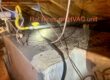
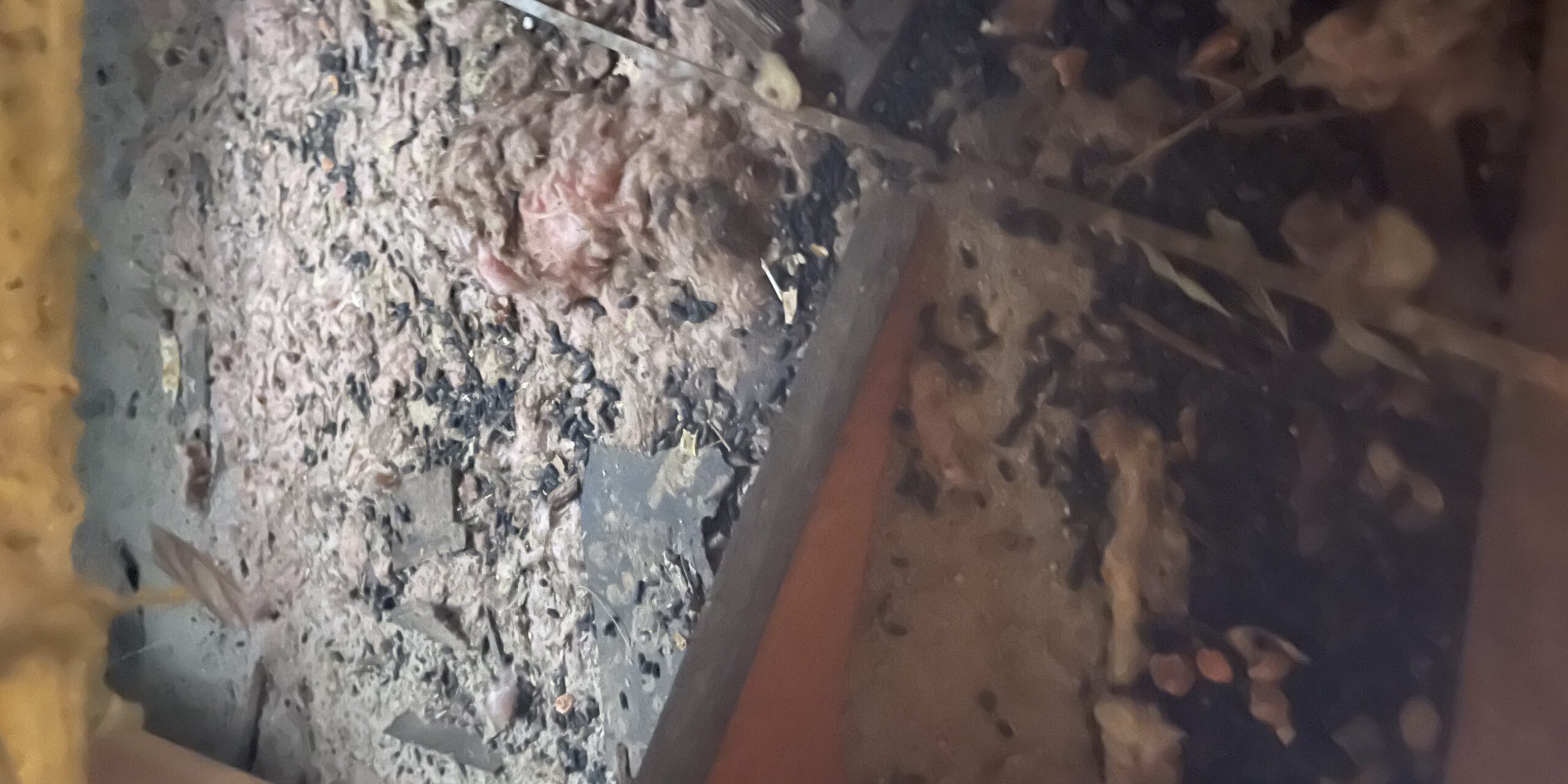
Other warning signs may include droppings in the garage, attic, crawlspace, or near storage areas. You may notice a stale odor, damaged insulation, chewed materials, nesting debris, greasy rub marks along travel paths, or small openings around vents and exterior materials.
Sometimes the first clue is activity on the roof. Rats are excellent climbers. They can use tree branches, vines, downspouts, fences, utility lines, and rough surfaces to reach the roof. Once they are there, they may travel along gutters, roof valleys, ridge areas, or eaves until they find a gap.
In Folsom homes, rodent problems often involve the roofline because that is where multiple building materials meet. Vents, fascia, soffit areas, tile edges, roof returns, and utility penetrations can all create small access points. Even a small gap can be enough for a determined rodent.
If you are seeing droppings or hearing movement in the same area over and over, it is usually a sign that the problem needs a complete inspection, not just a few traps.
Why Trapping Alone Is Usually Not Enough
Many homeowners start with traps because traps are familiar and easy to buy. In some situations, trapping is part of the process. However, trapping by itself does not answer the most important question: how did the rodents get in?
If the entry point stays open, the home can remain vulnerable. You may catch the current rodents but still have new activity later. This is why complete rodent removal services folsom should focus on both removal and exclusion.
Exclusion means identifying and sealing the access points rodents are using, along with other vulnerable gaps they may use in the future. It is the difference between reducing activity temporarily and solving the source of the problem.
For example, if rats are entering through a roofline gap near a vent, trapping a few rats in the attic may quiet the noise for a while. But if that vent area is still open, the home remains exposed. Another rat can find the same opening, follow the same route, and restart the problem.
A professional rodent removal plan should look at the whole structure. That includes the roofline, attic, vents, crawlspace, garage, foundation areas, utility penetrations, exterior trim, and any places where materials have shifted or been damaged.
The Difference Between Pest Control and Wildlife/Rodent Exclusion
A standard pest control approach may focus heavily on baiting, trapping, or recurring treatments. That can help in some situations, but rodent issues inside attics, walls, crawlspaces, and rooflines often require a more construction-minded approach.
The reason is simple: rodents are entering through physical openings. Unless those openings are found and sealed correctly, the structure itself remains part of the problem.
A wildlife and rodent control company looks at the home differently. The goal is not only to remove the animal. The goal is to understand the animal’s behavior, identify the access points, seal the structure, clean up the mess, and repair damage caused by the intrusion.
This is especially important for homes with roofline activity. Rodents can exploit small weaknesses around roofing materials, vents, fascia boards, soffits, and exterior transitions. If the company you hire does not inspect those areas carefully, the job may not be complete.
That is why homeowners searching for rodent control and removal folsom should look for a company that handles trapping, exclusion, cleanup, and repair—not just one part of the process.
Common Rodent Entry Points Around Folsom Homes
Every home is different, but there are several areas that commonly create rodent access.
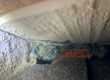
Roof vents are one of the biggest trouble spots. If a vent is damaged, loose, poorly screened, or has gaps around it, rodents may be able to squeeze through. The same is true for attic vents, gable vents, dormer areas, and roof penetrations.
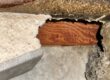
Fascia and soffit gaps can also be a problem. Over time, wood can shift, separate, rot, or be damaged by animals. A small opening along the edge of the roof can lead directly into attic space.
Tile roof areas can create hidden openings if tiles shift or if gaps exist near edges, returns, or transitions. Rodents may move beneath certain roof materials and find their way into voids.
Utility lines and pipe penetrations are another common issue. Where cables, pipes, refrigerant lines, or other utilities enter the structure, small gaps may remain. Rodents are very good at finding those openings.
Crawlspace vents and foundation screens should also be checked. If a vent screen is loose, bent, rusted, or damaged, rodents may enter below the home and move into wall voids.
Garage doors can also contribute to rodent problems. A worn weather seal, side gap, or damaged threshold may allow rodents into the garage, where they can then explore interior walls or storage areas.
The challenge is that most homeowners only notice one or two obvious signs. A trained inspection looks for the full pattern of entry, travel, nesting, and damage.
What a Complete Rodent Removal Process Should Include
A complete rodent removal process usually begins with an inspection. The inspection should identify where rodents are active, where they may be entering, what damage has occurred, and what steps are needed to stop the problem.
The next step is removal. This may include strategic trapping based on where rodents are traveling and nesting. Trap placement matters. Randomly placing traps may miss the actual travel routes, while professional placement targets the areas where activity is most likely.
After removal, exclusion becomes the critical step. Entry points should be sealed with durable materials appropriate for the location. This is not the same as stuffing a hole with temporary material and hoping for the best. Rodents can chew, push, squeeze, and work their way around weak repairs.
Once the structure is sealed, cleanup may be needed. Rodent droppings, urine, nesting material, damaged insulation, dead rodents, and odors can create an unhealthy and unpleasant environment. In some cases, attic cleanup and insulation replacement may be recommended if contamination is significant.
Finally, damage repair may be part of the job. If rodents have damaged vents, fascia, insulation, roofing materials, or other parts of the structure, those areas should be restored so the home is protected.
A strong process does not treat removal, exclusion, cleanup, and repair as separate unrelated services. It treats them as connected parts of the same solution.
Why Rodent Problems Can Get Worse Quickly
One reason homeowners should not ignore rodent activity is that the problem can grow. Rodents reproduce quickly, and a small issue can become a larger infestation if the home remains accessible.
The damage can also increase over time. Rodents may chew materials to maintain or expand entry points. They may damage insulation while nesting. They may chew wiring, ducting, plastic lines, wood, drywall, or stored belongings. They may leave droppings and urine throughout hidden spaces.
Odor can become another issue. When rodents nest, urinate, die inside walls, or leave contaminated material behind, the smell can linger. Homeowners may notice musty, sour, or dead-animal odors that are difficult to locate.
The longer rodents are inside the structure, the more difficult it can be to determine the full extent of activity. That is why the best time to address the issue is when the first signs appear.
If you hear repeated scratching, find droppings, or see evidence around the roofline, it is better to schedule an inspection than wait until the problem spreads.
Folsom Rooflines: Why the Entry Point Matters
Folsom homes come in many styles, from older neighborhoods to newer developments. Some homes have tile roofs, complex rooflines, large attic spaces, multiple vents, second-story returns, and landscaping that reaches close to the structure.
Rodents do not need a front door. They need opportunity. A tree branch touching the roof can become a bridge. A vent gap can become an entrance. A small construction gap can become a hidden highway into the attic.
This is why roofline inspection is so important. If the inspection only focuses on the inside of the attic, it may identify where rodents are nesting but miss how they got there. If the inspection only focuses on the ground level, it may miss roof access completely.
A complete rodent inspection should connect the evidence. Where are the droppings? Where are the sounds? Where is the insulation disturbed? Where are the rub marks? What exterior openings line up with the interior activity?
That connection is what leads to a better solution.
Cleanup and Sanitation After Rodent Activity
Once rodents are removed and entry points are sealed, homeowners often ask whether cleanup is really necessary. The answer depends on the level of contamination.
If rodents have been active in the attic or crawlspace, they may leave droppings, urine, nesting material, food debris, and damaged insulation. That material can affect odor and overall cleanliness. In heavier infestations, cleanup is not just cosmetic. It is part of restoring the space.
Contaminated insulation can lose effectiveness and hold odor. Nesting areas can attract insects or create unsanitary conditions. Dead rodents can create strong odors and secondary pest issues.
A cleanup plan may include removing contaminated materials, sanitizing affected areas, deodorizing, and replacing insulation where needed. If the home has significant attic damage, cleanup and restoration may be just as important as the trapping itself.
Homeowners should be cautious about entering heavily contaminated attic or crawlspace areas without proper protection. Disturbing droppings or nesting material can create dust and exposure concerns. This is another reason to have the situation evaluated professionally.
How Homeowners Can Reduce Rodent Pressure Around the Home
Even with professional exclusion, homeowners can reduce the conditions that attract rodents.
Trim trees and branches away from the roofline when possible. Branches that touch or overhang the roof can give rodents easy access. Keep vines and climbing plants controlled around exterior walls.
Secure garbage cans and avoid leaving pet food outside. If you feed pets outdoors, remove food bowls when they are finished. Store bird seed, grass seed, and pet food in sealed containers.
Pick up fallen fruit from trees and keep yard debris under control. Overgrown vegetation, stacked wood, and clutter near the home can create hiding places.
Check garage door seals and exterior doors for gaps. Small openings at the bottom or sides of doors can allow rodents inside.
Watch for new signs after storms, roof work, HVAC work, or exterior repairs. Sometimes gaps are created or exposed when other work is performed on the home.
These steps do not replace professional exclusion when rodents are already inside, but they can help reduce pressure around the structure.
Why Local Experience Matters in Folsom
Rodent problems are local. A company that understands homes in the Folsom area will know the types of rooflines, neighborhoods, construction styles, vegetation, and wildlife pressures common in the region.
Local experience also matters because rodent removal is not a one-size-fits-all service. A home near open space may have different pressure than a home in a dense neighborhood. A tile roof may have different entry risks than a composition roof. A newer home can still have construction gaps. An older home may have aging vents, worn seals, or previous repairs that are failing.
The best rodent removal plan is built around the specific home, not a generic checklist.
Thomas Wildlife Control & Roofing has already shared a Folsom-specific rat removal story in the blog From Roof Racket to Rat-Free: A Folsom Homeowner’s Journey, which highlights how roof activity, attic concerns, exclusion, and repairs can all connect in a real local situation.
That kind of local context is valuable because homeowners are not just trying to remove rodents today. They are trying to protect the home from repeat problems.
When to Call for Rodent Removal in Folsom
You should consider calling a professional if you hear repeated scratching, chewing, or scurrying sounds in the attic, ceiling, walls, or roofline. You should also call if you see droppings, damaged insulation, chew marks, nesting material, unexplained odors, or openings around vents and exterior materials.
The same is true if you have trapped rodents before but the problem keeps coming back. Repeat activity usually means the entry points were not fully identified or sealed.
It is also smart to call if you are unsure what animal is inside. Rats, mice, squirrels, birds, bats, raccoons, and other animals can create noises in or around the home. The right solution depends on identifying the animal correctly and understanding how it is using the structure.
A professional inspection can help determine whether the issue is active, where the entry points are, what damage exists, and what steps are needed.
Final Thoughts: Stop the Entry, Not Just the Noise
Rodent activity can make a home feel stressful fast. Hearing movement above the ceiling or inside the walls is unsettling, especially when you do not know how long the animals have been there or what damage they have caused.
But the most important thing to remember is this: the noise is only a symptom. The real problem is access.
If rodents can get into the attic, wall voids, crawlspace, or roofline, they can continue to cause damage until the entry points are found and sealed. Trapping may be part of the solution, but exclusion is what helps stop the cycle.
For Folsom homeowners, a complete rodent removal plan should include inspection, trapping, exclusion, cleanup, and repairs when needed. That is the difference between chasing the problem and solving it.
If you are dealing with scratching in the attic, droppings in hidden areas, roofline activity, or repeat rodent issues, Thomas Wildlife Control & Roofing can inspect the situation, remove the rodents, seal entry points, and help restore damaged areas of the home.
Call Thomas Wildlife Control & Roofing at (916) 500-9027 to schedule a rodent inspection for your Folsom home.