

Rodent Control in Rocklin: Why Roofline Entry Points Keep Causing Repeat Problems
You hear scratching above the ceiling.
A trap gets set. A rat is removed. The noise stops.
Then, weeks or months later, it starts again.
For many Rocklin homeowners, this is where a rodent problem becomes especially frustrating. The issue isn’t always that the first removal failed. The rodent may have been caught.
The real problem is that the way it got into the house was never fixed.
Rats and mice can take advantage of surprisingly small openings around rooflines, vents, utility penetrations and other vulnerable areas of a home. In some cases, they can even chew through weakened roofing materials and create a larger opening.
That is why professional rodent removal and control in Rocklin should focus on more than getting the animal out.
It should also answer a much more important question:
How did it get in?
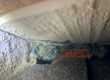
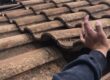
What a Rodent Roof Entry Point Can Actually Look Like
Rodent entry points aren’t always the tiny cracks homeowners might imagine.
In real homes, rats can exploit damaged roofing, openings around vents and penetrations, deteriorated materials, or areas where different parts of the roof meet. They may also gnaw at vulnerable materials and make an existing opening larger.
From the ground, the problem may be almost impossible to see.
Inside the house, the first warning may simply be scratching above the ceiling.
But above that ceiling, a rodent may be repeatedly entering through an opening in the roof.
Until that opening is found and properly addressed, removing one rat does not necessarily prevent another one from using the same route.
Why Rats and Mice End Up in Attics
Attics offer rodents something valuable: shelter.
Once inside, they can move through insulation, wall cavities and other protected areas while remaining largely out of sight.
Common signs of rodent activity can include:
- Scratching or scurrying above the ceiling
- Noises coming from walls
- Droppings
- Disturbed insulation
- Gnaw marks
- Nesting material
- Unusual odors
- Evidence of damage around vents or the roofline
If you’re hearing activity in your attic or walls, professional rodent control and removal should address more than the animal you’re hearing.
The location where you hear the rodent isn’t necessarily where it entered.
A rat may get into one section of the roof and travel through the attic before making noise above a completely different room.
That is why finding the entry point matters.
The Roofline Can Be the Weak Link
Most homeowners rarely inspect every transition, vent and penetration on their roof.
Rodents have plenty of time to explore them.
Potential trouble spots can include:
Roof Vents
Damaged screening, deteriorated materials or openings around roof vents can provide access to attic spaces.
Fascia and Soffit Areas
Where roof and wall materials meet, small construction gaps or damaged sections can become entry points.
Roof Penetrations
Pipes, vents and other objects that pass through the roof can create vulnerable areas around them.
Damaged Roofing Materials
A small existing weakness can sometimes become a much larger opening once rodents begin chewing.
Construction Gaps
Some homes have structural openings that aren’t obvious from the ground but can still provide wildlife access.
This is why effective rodent control in Rocklin often needs to combine animal removal with exclusion and repair.
When the problem involves the structure of the home, the solution may need to involve the structure too.
Sometimes the Real Problem Is Hidden Under the Roof
A homeowner may think they simply have a rat in the attic.
Once the entry area is investigated, the situation can look very different.
There may be an opening beneath roofing materials. Insulation may have been disturbed. Wood or other structural components may have been chewed or damaged. An animal may have been traveling through the same opening for an extended period of time.
This is where a basic trap-and-remove approach can fall short.
If the animal is removed but the opening remains, the home may still be vulnerable.
The visible rodent problem may be only one part of the situation.
Why Trapping Alone Can Lead to Repeat Rodent Problems
Imagine discovering that someone has been getting into your house through an unlocked window.
You escort the person outside.
Then you leave the window open.
You probably wouldn’t consider the security problem solved.
Rodent removal can work the same way.
Trapping addresses the animal currently inside.
Exclusion addresses how animals are getting inside.
Both matter.
If a roof gap, vent opening or damaged section remains accessible, another rodent may eventually discover it.
That’s why a more complete approach to Rocklin rodent removal should look beyond the immediate animal and investigate how it entered the structure in the first place.
The goal should be:
Identify → Remove → Exclude → Repair
Not simply:
Trap → Done
Pest Control and Rodent Exclusion Are Not Always the Same Thing
Traditional pest control can be useful for many pest problems.
But when rats or mice are physically entering the structure of a house, reducing the rodent population around the property doesn’t necessarily repair the hole they’re using to enter.
That’s where rodent exclusion becomes important.
A thorough inspection should help answer questions such as:
Where are the rodents entering?
Are there additional potential entry points?
Has the animal damaged the roof or structure?
Does anything need to be repaired?
Has attic insulation or another area been affected?
For homeowners who have already paid to address a rodent problem only to hear scratching again later, understanding this distinction can be especially important.
You don’t just want the animal gone today.
You want to reduce the chances of another animal getting inside tomorrow.
What Rodent Exclusion Actually Means
Rodent exclusion is the process of identifying and securing the openings wildlife may be using to enter a home.
Depending on the situation, that can mean addressing gaps around vents, roof penetrations, damaged building materials, fascia, soffits or other vulnerable areas.
Sometimes the repair is relatively straightforward.
Other times, the entry point involves actual roof damage.
That’s one reason choosing a wildlife company capable of handling both exclusion and roof repair can be valuable.
The animal and the damage it caused aren’t always two separate problems.
Sometimes they’re the same problem.
A Rodent Problem Can Become a Roofing Problem
If rats or mice are entering through the roof, the situation can quickly cross from wildlife removal into home repair.
Rodents can take advantage of damaged roofing materials, and gnawing can make an existing weakness worse.
They may access an attic through areas around roof vents, penetrations or other structural vulnerabilities.
Once the rodent is removed, those areas may still need to be repaired.
This is where the combination of wildlife control and roofing knowledge becomes especially important.
A homeowner shouldn’t have to solve half the problem only to discover that the actual entry point is still sitting open on the roof.
What Should a Rocklin Rodent Inspection Actually Accomplish?
If you’re already hearing scratching above the ceiling, you probably don’t need someone to simply confirm that an animal may be present.
A useful inspection should try to determine what is happening and why.
That can include evaluating:
Where the Activity Is Occurring
Attic, wall, crawlspace and roofline activity can provide clues about the scope of the problem.
What Animal May Be Responsible
Different wildlife problems require different removal strategies.
How the Animal Is Getting Inside
This may be one of the most important parts of the inspection.
Whether There Are Multiple Vulnerable Areas
Finding one opening doesn’t necessarily mean it’s the only opening.
Whether the Structure Has Been Damaged
Some situations require physical repair after the animal is removed.
Whether the Attic Needs Additional Attention
Rodent activity can disturb insulation and leave behind droppings, nesting material and other contamination.
When necessary, attic and wildlife specialty services may also be part of restoring the affected area after an infestation.
Why Waiting Can Make a Small Problem Bigger
A little scratching noise is easy to ignore.
Especially when it only happens occasionally.
But if a rodent is repeatedly entering your home, the underlying problem isn’t necessarily going away just because you stop hearing it for a few days.
Rodents can continue moving through attic spaces, disturbing insulation, leaving droppings, nesting and interacting with structural materials.
If they’re entering through the roof, the opening itself may also require attention.
The longer the activity continues, the more opportunity there is for additional damage or contamination.
Finding the source early gives you a better chance of understanding exactly what needs to be addressed before the situation becomes more extensive.
The Best Rodent Problem Is the One You Don’t Have to Solve Twice
Most homeowners aren’t looking for a temporary reduction in scratching noises.
They want the problem gone.
That means asking more than:
“Can you catch the rat?”
A better question is:
“Can you figure out how the rat got into my house?”
Because that is often the difference between removing one animal and addressing the underlying problem.
Professional rodent removal services in Rocklin should address the animal, investigate the entry point and identify related damage that may need to be repaired.
The goal isn’t simply getting rodents out.
The goal is making it much harder for them to get back in.
Hearing Scratching in Your Rocklin Home?
If you’re hearing movement in your attic, ceiling or walls, don’t assume a few traps are necessarily the entire solution.
Find out what’s inside.
Find out how it got there.
And find out what needs to be repaired or sealed to reduce the chance of the problem happening again.
Thomas Wildlife Control provides professional rodent removal in Rocklin, wildlife exclusion and wildlife-related repair services throughout Rocklin and Placer County.
Contact Thomas Wildlife Control to schedule an inspection and get to the source of the problem.