
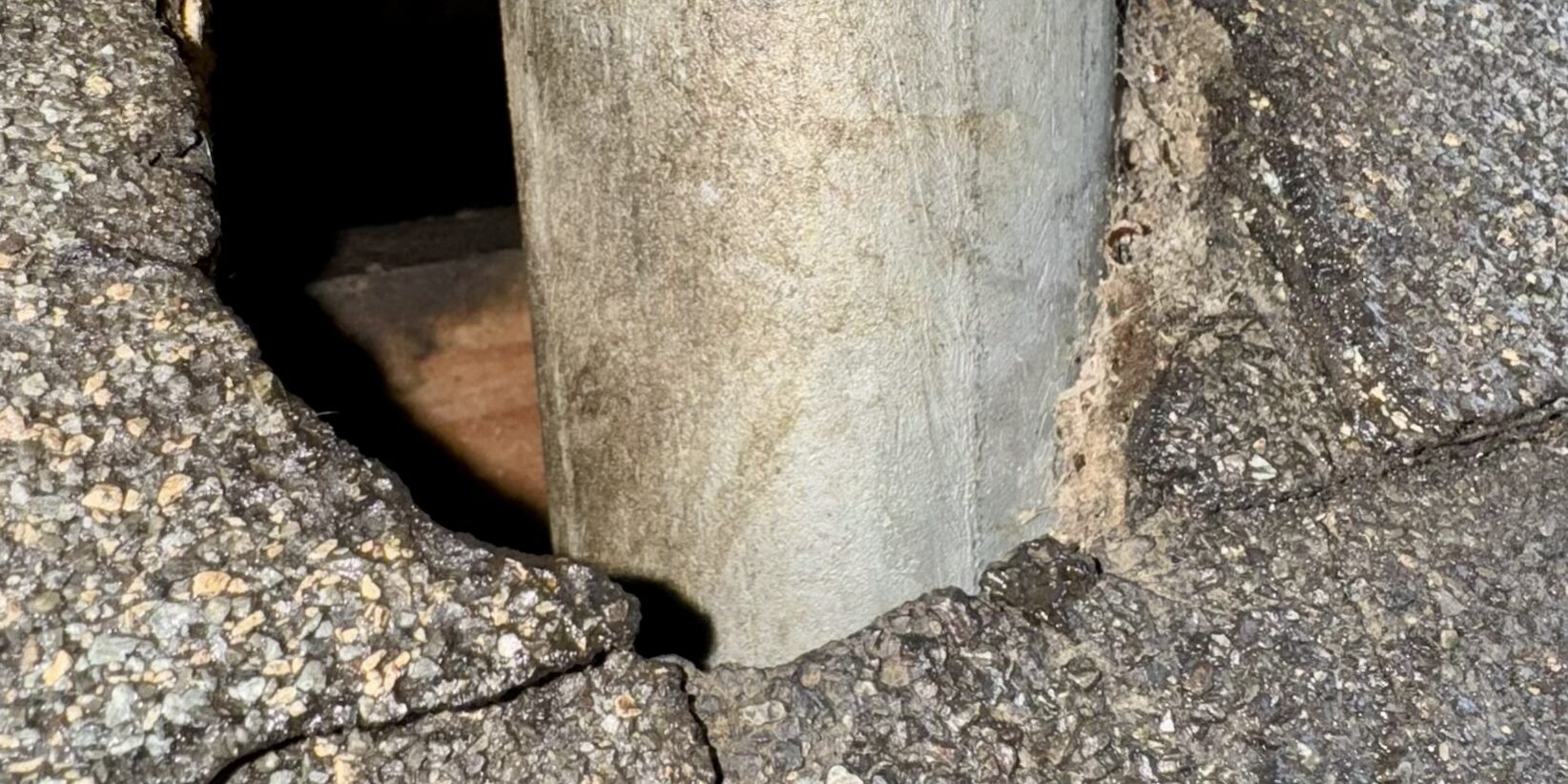
What started as strange noises in a child’s ceiling turned into a frustrating battle with rats, failed DIY solutions, and a costly lesson about why professional rodent removal and exclusion matter.
Strange Noises Coming From His Son’s Bedroom Ceiling
It started with a simple complaint from his son. Every night, just as he was getting ready to fall asleep, he could hear something moving around above his bedroom ceiling. At first, his father assumed it was the house settling or perhaps a tree branch brushing against the roof. Living in El Dorado Hills, where homes are often surrounded by mature landscaping, trees, and open space, the occasional unexplained noise didn’t seem especially concerning.
But his son insisted this was different. He could hear scratching, what sounded like something climbing inside the walls, and occasionally a strange gnawing or chewing noise directly overhead. Some nights, the sounds would stop for an hour or two before starting again. Other nights, the activity was so persistent that he struggled to fall asleep.
After listening for himself one evening, his father realized his son wasn’t imagining things. Something was moving around inside the ceiling, and whatever it was seemed particularly active after dark. His first thought was mice, perhaps one or two that had managed to sneak into the attic. He figured it was a relatively small problem he could probably handle himself over the weekend.
Unfortunately, that assumption would lead to several weeks of frustration, wasted money, and an infestation that continued to grow while the family tried to solve the problem on their own.
The DIY Approach: Traps, Repellents, and a Lot of Frustration
Like many homeowners facing an unexpected pest problem, the father started with Google. He searched for ways to get rid of rats in the attic, watched several YouTube videos, and read advice from home improvement websites and neighborhood discussion boards. The recommendations seemed straightforward enough: set traps, remove food sources, try repellents, and seal any openings around the house.
His first trip to the hardware store included a handful of rat traps, bait, and a peppermint-based rodent repellent. He carefully placed traps in accessible portions of the attic and sprayed the repellent near areas where he thought the animals might be traveling. For a couple of nights, the scratching seemed less noticeable, and he hoped the problem had been resolved.
But the silence didn’t last. Within days, his son was again complaining about noises above his bedroom. This time, the scratching seemed louder, and the chewing sounds were becoming more frequent.
Determined not to spend money on professional rodent removal, the father tried another round of DIY solutions. He purchased additional traps, experimented with different bait, and installed an ultrasonic pest repellent device after reading claims that high-frequency sound could discourage rodents. He even walked around the exterior of the house looking for holes that might explain how the animals were getting inside.
Despite his efforts, the rats continued making themselves comfortable.
What the homeowner didn’t realize was that trapping a few rats, temporarily disrupting their activity, or attempting to repel them does little to resolve an infestation when the animals’ entry points remain open. Rats are persistent, adaptable, and capable of finding their way around many homeowner attempts to control them.
The family’s DIY efforts weren’t solving the underlying problem. They were simply delaying the inevitable.
When the Noises Got Worse, So Did the Concern
As the weeks passed, the situation became increasingly stressful. His son had begun asking whether rats could chew through the ceiling and enter his bedroom. The father reassured him that it was unlikely, but privately, he was becoming concerned about what might be happening above the drywall.
The scratching and climbing noises were no longer limited to bedtime. The family occasionally heard movement in the early morning, and the father noticed an unpleasant, musty odor near the attic access. During another inspection, he spotted what appeared to be rodent droppings and sections of insulation that looked disturbed.
That discovery changed his perspective. This was no longer just an annoying sound keeping his son awake. There were animals living above his family’s bedrooms, leaving waste behind and potentially damaging parts of the house he couldn’t easily inspect.
After another evening of listening to chewing noises, he decided enough was enough. He began searching for a professional rat removal company in El Dorado Hills and came across Thomas Wildlife Control & Roofing, a local company experienced in identifying and addressing rodent infestations, attic damage, and wildlife entry points.
He also learned that other homeowners had faced similar problems, including a Cameron Park resident whose experience was documented in an article about a serious attic infestation. Reading about the experience reinforced his decision to contact a rat removal company El Dorado Hills homeowners could turn to for professional help.
He scheduled an inspection, hoping the situation wasn’t as bad as he feared.
The Inspection Revealed More Than a Few Rats
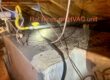
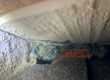
When Thomas Wildlife Control & Roofing inspected the property, the findings explained why the family’s DIY attempts had been unsuccessful. The rats had established travel routes through portions of the attic and were accessing the home through vulnerable openings around the exterior. The technician identified evidence of rodent activity, disturbed insulation, and areas where the animals had been chewing.
What surprised the homeowner most was how little space rats actually need to enter a house. Depending on the species and the size of the animal, rats can squeeze through openings approximately the size of a quarter. Roof rats, which are common in many Northern California communities, are particularly skilled climbers and frequently use trees, fences, utility lines, and rooflines to reach elevated access points.
The inspection also revealed that the family had been focusing on the wrong part of the problem. Traps placed inside the attic might catch individual animals, but they couldn’t prevent additional rats from entering through openings around the roofline. Even worse, some of the areas showing rodent activity were difficult for the homeowner to access safely without professional equipment and experience.
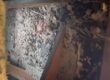
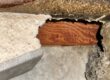
The rats had also disturbed insulation and left behind droppings and nesting debris. There were signs of chewing around building materials, raising concerns about possible electrical wiring damage. Rats have continuously growing teeth and routinely gnaw on materials to keep them worn down. Unfortunately, this behavior can extend to electrical wiring insulation, wood, plastic, and other components found inside residential attics.
For the father, the realization was frustrating. He had spent weeks trying to eliminate what he assumed was a minor pest problem, while the real issue was a series of openings that allowed rats to enter and move throughout his attic.
Why Rats Are Such a Common Problem in El Dorado Hills
El Dorado Hills offers an attractive environment for rodents because of its combination of residential neighborhoods, natural open space, mature trees, and landscaped properties. Rats can find food, water, and shelter in many of these environments, particularly when homes are located near greenbelts, wooded areas, and undeveloped land.
Roof rats are especially well adapted to residential communities. They are excellent climbers and often travel along tree branches, fences, and exterior structures before finding openings around roofs, vents, or attic spaces. Once inside, an attic offers protection from predators and the elements, as well as a quiet environment where rats can nest and reproduce.
Common rat entry points include damaged roof vents, gaps around plumbing or utility penetrations, deteriorating fascia boards, openings beneath roof tiles, and vulnerable areas where different building materials meet. Rats may also exploit construction gaps that have existed for years without homeowners noticing.
Homeowners sometimes assume that keeping a clean house is enough to prevent a rat infestation. While proper sanitation and eliminating accessible food sources can help reduce rodent activity, even well-maintained homes can experience infestations when structural openings provide access. A house can be spotless inside and still have rats living in the attic.
This is why identifying and repairing entry points is such an important part of long-term rodent control.
Why DIY Rat Removal Often Fails
The El Dorado Hills family’s experience is a familiar one. Homeowners hear noises, assume a small number of rodents are responsible, and begin purchasing products that promise an inexpensive solution. While some DIY methods can help control limited rodent activity, they frequently fail to address established attic infestations.
Traps are a useful rodent control tool when properly selected, positioned, and monitored. However, trapping alone doesn’t prevent rats from entering a structure. If access points remain open, additional rodents may continue moving into the attic even after some animals have been removed.
Peppermint oil and many commercially marketed natural repellents have limited evidence supporting their ability to eliminate established rat infestations. Ultrasonic pest repellent devices are similarly unreliable as a long-term solution because rodents may become accustomed to the sounds, and ultrasonic waves don’t effectively penetrate walls, insulation, and other obstacles.
Some homeowners also attempt to use poison bait inside attics, but this creates additional concerns. Rodents may die in inaccessible areas, resulting in unpleasant odors and difficult cleanup. Rodenticides also pose risks to children, pets, and wildlife if used improperly, making professional guidance and compliance with California regulations especially important.
Another common mistake is sealing openings before confirming that all rats have been removed. Trapping animals inside walls or attic spaces can create additional damage and sanitation problems as the rodents search for alternative escape routes.
The most effective approach is not simply killing or chasing away the rats. It is identifying the infestation, removing the animals, addressing contamination, and preventing them from reentering the home.
Professional Rat Removal: Addressing the Problem From Start to Finish
After completing the inspection, Thomas Wildlife Control & Roofing developed a plan to address the rodent activity and the conditions that allowed the infestation to develop. Rather than relying on a single product or technique, the process involved several coordinated stages designed to resolve the existing problem and reduce the likelihood of future infestations.
The first step was identifying the rats’ travel routes, nesting areas, and exterior entry points. Understanding where rodents enter and how they move through the structure helps determine where trapping and other control measures will be most effective.
The next stage focused on removing the rodents using appropriate professional control methods. Unlike the homeowner’s previous approach of placing traps wherever he could reach, professional trapping involves strategic placement, monitoring, and adjusting the approach based on evidence of rodent activity. The objective is to eliminate the animals occupying the attic while minimizing unnecessary risks.
Once the infestation was under control, attention shifted to cleaning up contaminated areas. Rodent droppings, nesting debris, and damaged insulation can create sanitation concerns and may require professional removal or replacement. Contaminated materials should be handled using appropriate protective equipment and cleanup procedures rather than simply swept or vacuumed with ordinary household equipment.
Finally, the property required rodent exclusion work. This involved identifying vulnerable openings and securing them with materials appropriate for the structure and the type of damage discovered. Depending on the condition of the home, exclusion may involve repairing roof vents, securing gaps near the roofline, addressing damaged fascia, or completing other repairs necessary to prevent rodents from finding their way back inside.
For the homeowner, this comprehensive process made far more sense than continuing to purchase traps and repellents without knowing how the rats were entering the house.
Why Working With a Wildlife Removal and Roofing Company Makes a Difference
One of the most important lessons from this experience was that rat removal and structural repair often go hand in hand. Removing rodents is only part of the solution when those animals have been entering through damaged roofing materials, deteriorating vents, or vulnerable areas around the roofline.
Many pest control companies specialize in trapping or controlling rodents but do not perform extensive roof repairs. When damaged roofing components require replacement, homeowners may need to hire a separate licensed roofing contractor to complete the work properly.
In California, professional roofing work generally falls under the C-39 Roofing contractor classification established by the Contractors State License Board. Repairs involving roofing materials, flashing, and other roof components require the appropriate expertise and licensing for the work being performed.
Thomas Wildlife Control & Roofing offers homeowners the advantage of coordinating rodent removal, attic cleanup, exclusion, and roofing repairs through one company. This can simplify a complicated situation by reducing the need to coordinate multiple service providers and helping ensure the areas that allowed rodents to enter are properly addressed.
For homeowners researching an El Dorado Hills rat removal service, it is worth considering whether the company can address the full scope of the problem. A company that removes rats but leaves damaged roof openings unrepaired may not provide the long-term protection the homeowner needs.
In this family’s case, having the removal, cleanup, repairs, and exclusion coordinated through one company was a major relief. The father was no longer guessing about which products might work or trying to identify roof openings on his own. He had a clear plan for addressing the infestation and preventing the same problem from recurring.
Warning Signs That Rats May Be Living in Your Attic or Walls
The scratching sounds above the son’s bedroom were the first obvious indication that something was wrong, but there are several additional warning signs homeowners should recognize. Rats are primarily nocturnal, so unusual noises after dark or during the early morning hours can be particularly telling. Scratching, running, climbing, and gnawing sounds inside ceilings or walls may indicate rodents moving through hidden areas of the home.
Droppings are another common sign of rodent activity, especially around attic access points, storage areas, and insulation. Homeowners may also notice shredded paper, disturbed insulation, or other materials that rats use to construct nests. In some cases, a persistent unpleasant odor can develop as waste accumulates or rodents die in inaccessible areas.
Exterior clues can be just as important. Rats may repeatedly travel along fences, tree branches, and rooflines before disappearing into openings around vents, eaves, or damaged roofing materials. Greasy rub marks, gnaw marks, and small gaps around utility penetrations can also indicate frequently used travel routes or access points.
Electrical concerns deserve particular attention. If rodents chew through wiring insulation, they can increase the risk of electrical faults and fire. Any suspected damage to electrical wiring should be evaluated by a qualified electrician.
The sooner these warning signs are investigated, the better the opportunity to address an infestation before it leads to extensive attic contamination or structural damage.
The Cost of Waiting Can Be Greater Than the Cost of Calling a Professional
Looking back, the El Dorado Hills father realized that his attempts to save money had ultimately prolonged the problem. The traps, repellents, and other DIY products had cost money, but the greater concern was the additional time the rats had spent moving through the attic while he experimented with different solutions.
During that time, the animals continued disturbing insulation, leaving behind waste, and potentially chewing on materials that could require expensive repairs. What might have been addressed earlier through a professional inspection had become a larger project involving rodent removal, attic cleanup, exclusion, and structural repairs.
That doesn’t mean every rodent problem requires extensive restoration. Some infestations can be identified and resolved before significant damage occurs. However, homeowners often cannot determine the full extent of an attic infestation from the sounds they hear or the limited areas they can inspect.
For families with children, there is also the stress of knowing animals may be moving through the ceilings and walls near bedrooms. In this case, the father’s primary concern had shifted from eliminating an irritating noise to making sure his son’s bedroom and the surrounding areas of the home were safe.
The biggest lesson was simple: when signs of rodents persist despite initial attempts to control them, continuing to experiment with temporary solutions can allow the underlying problem to grow.
A Quieter Home and a Valuable Lesson for El Dorado Hills Homeowners
For this El Dorado Hills family, the scratching, climbing, and chewing sounds above their son’s bedroom were more than a nuisance. They were an early warning that rats had found their way into the home and established themselves in areas the family rarely saw.
What began as a weekend DIY project eventually required a coordinated approach involving professional rodent removal, attic cleanup, structural repairs, and exclusion. Although the father initially hoped to solve the problem with a few traps and inexpensive repellents, he ultimately recognized the value of having experienced professionals identify the source of the infestation and address it completely.
Most importantly, his son could finally sleep without hearing unexplained movement above his ceiling.
The experience serves as a reminder that homeowners shouldn’t ignore persistent scratching or chewing sounds inside ceilings and walls. Rats can cause considerable damage while remaining largely out of sight, and a quiet night doesn’t necessarily mean the infestation has disappeared.
Sometimes the smartest home improvement decision isn’t finding another DIY solution. It’s knowing when to call someone who can fix the problem correctly.
Hearing Scratching or Chewing in Your Attic? Contact Thomas Wildlife Control & Roofing.
If you’re hearing rats running through your ceiling, scratching inside your walls, or chewing in your attic, don’t wait for the problem to become more serious. Thomas Wildlife Control & Roofing helps homeowners throughout El Dorado Hills, Cameron Park, Folsom, Granite Bay, Roseville, and surrounding communities address rodent infestations, attic contamination, wildlife entry points, and roof damage.
Whether you’re dealing with a suspected rat infestation, recurring rodent activity, damaged insulation, or openings around your roofline, working with a company that can coordinate removal, cleanup, exclusion, and necessary roofing repairs can make the process easier and more effective.
Contact Thomas Wildlife Control & Roofing today to schedule a professional inspection and find out what’s really happening above your ceiling. The sooner you identify the problem, the sooner you can protect your home, your family, and your peace of mind.