
What began as a few mysterious noises inside a Folsom home turned into an unsettling discovery about rats, hidden attic damage, and the importance of choosing a rodent removal company that can solve the entire problem.
A Strange Noise That Didn’t Seem Worth Worrying About
For one Folsom mother, the first indication that something might be wrong came during an otherwise ordinary evening at home. The kids had finished dinner, the kitchen was cleaned up, and she was settling onto the couch when she heard a faint scratching sound coming from somewhere near the ceiling. It lasted only a few seconds before disappearing, so she assumed it was the house settling or perhaps a branch brushing against the roof.
Living in Folsom, where neighborhoods often sit alongside parks, open spaces, mature trees, and natural wildlife habitats, occasional noises around the house weren’t particularly unusual. She had seen squirrels running along the backyard fence and birds gathering on the roof, but she had never considered the possibility that animals might actually be living inside her home.
A few nights later, the scratching returned. This time, it sounded like something was moving through the ceiling above the hallway. She stopped what she was doing and listened carefully, but the noise disappeared almost as quickly as it had started. Over the following week, however, the sounds became more frequent. Sometimes there was a light scurrying noise, followed by scratching and what sounded like something gnawing against wood. Other times, she heard movement that seemed to travel from one end of the ceiling to the other.
At first, she tried to convince herself it was nothing serious. But when her youngest child mentioned hearing scratching above the bedroom at night, she began to worry. The noises were no longer an occasional curiosity. Something was clearly moving around inside the house, and she was becoming increasingly convinced that rodents had found their way into the attic.
Asking the Neighbors and Searching Yelp for Answers
Not knowing exactly what she was dealing with, the homeowner started asking neighbors whether they had experienced similar problems. One neighbor mentioned having rats in the attic a few years earlier, while another described hearing scratching inside a wall before discovering rodents had entered through a damaged roof vent. Several neighbors explained that roof rats were not uncommon in Folsom, particularly in neighborhoods with mature trees, nearby greenbelts, and easy access to rooftops.
Those conversations confirmed her suspicion that the noises were probably coming from rodents rather than normal house movement. Still, she wasn’t sure how serious the problem might be or whether a traditional pest control company was the right choice. She wanted someone who could identify the animals, determine how they were getting inside, and make sure the problem wouldn’t return.
She decided to search Yelp for local wildlife and rodent removal professionals, reading through business listings and customer feedback. As she compared companies, she realized that some primarily offered trapping and pest control treatments, while others provided additional services such as attic cleanup, rodent exclusion, and structural repairs.
That’s when she came across Thomas Wildlife Control & Roofing, a local company offering wildlife control, rodent removal, attic restoration, and roofing services. For a homeowner searching for a Folsom rodent removal company that could address the animals and the damage they might have caused, having those services coordinated by one provider was an appealing advantage.
After reviewing the company’s services, she reached out and scheduled a professional inspection. She hoped the technician would find a small opening and perhaps one or two rats that could be removed without much trouble.
As it turned out, the problem was more extensive than she expected.
The Inspection Revealed an Established Rat Infestation
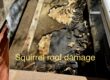
When Thomas Wildlife Control & Roofing inspected the property, the technician discovered evidence that rats had been using the attic as a nesting and travel area. The animals had found vulnerable openings near the roofline and were moving through portions of the attic above the family’s living spaces.
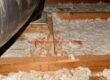
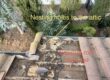
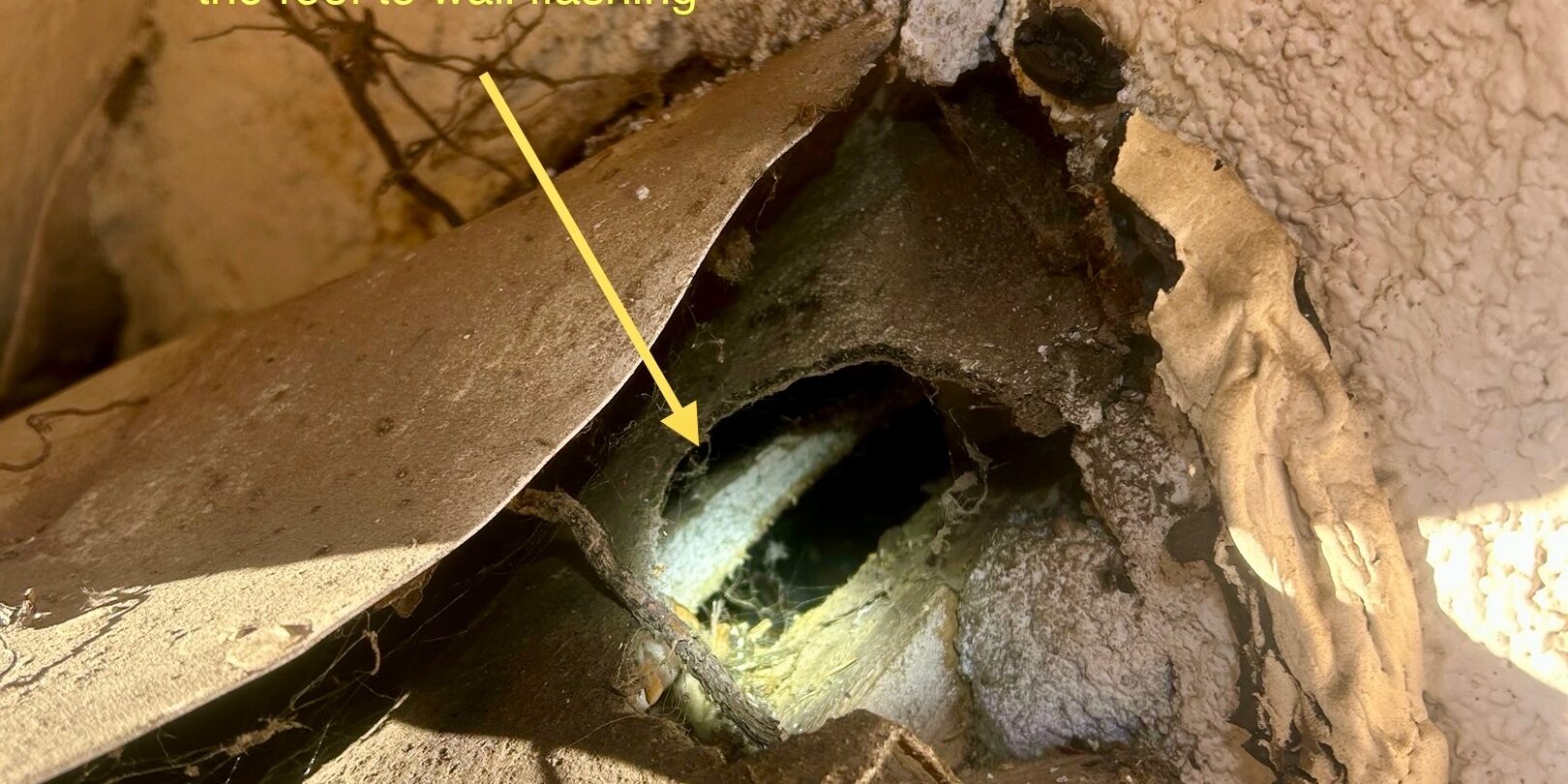
The inspection revealed rodent droppings, disturbed insulation, nesting materials, and evidence of chewing around building components. In certain areas, the insulation had been compressed or displaced by repeated animal activity. The technician also identified openings around exterior building materials that could allow rodents to continue entering the attic if they weren’t properly secured.
The homeowner was surprised to learn how small an opening a rat can use to enter a house. Depending on the species and size, rats can squeeze through gaps approximately the diameter of a quarter. Roof rats, which are well adapted to climbing, can travel along fences, tree branches, and rooflines before finding an opening that leads into an attic.
Even more concerning was the possibility of electrical damage. Rats have continuously growing front teeth and regularly gnaw on materials to keep them worn down. When they live inside a home, that behavior can extend to electrical wiring insulation, wood, plastic, and other structural materials. Damaged wiring can increase the risk of electrical faults or fires and should be inspected by a qualified electrician whenever rodent chewing is suspected.
For the Folsom mother, the inspection was a wake-up call. She had imagined a small nuisance that could be resolved with a few traps, but she was now looking at a problem involving wildlife removal, attic contamination, vulnerable roof openings, and potentially expensive repairs.
The most unsettling part was realizing that the rats had been moving through the attic above her family’s bedrooms while everyone was sleeping.
Why Rat Infestations Are a Common Concern for Folsom Homeowners
Folsom’s combination of established residential neighborhoods, parks, natural open spaces, and landscaped communities creates an environment where rodents can thrive. Areas near the American River Parkway, Lake Natoma, neighborhood greenbelts, and wooded properties provide opportunities for rats to find food, water, and shelter.
Roof rats are particularly skilled climbers and frequently use trees, fences, and exterior building surfaces to reach rooftops. From there, they may investigate roof vents, gaps around eaves, deteriorating fascia boards, damaged soffits, and other vulnerable areas that provide access to attics or wall cavities.
Once inside, an attic can become an attractive nesting location because it offers protection from the elements and predators. Rats may travel along rafters, insulation, and other building components while establishing routes between nesting areas and outdoor food sources.
One common misconception is that rat infestations occur only in poorly maintained or unclean homes. In reality, even well-maintained properties can experience rodent problems when structural openings provide an access point. A clean kitchen and tidy backyard are helpful for limiting food sources, but they cannot prevent rats from entering through an unprotected roof vent or damaged section of the roofline.
This is why effective rodent control requires more than simply removing the animals. Homeowners also need to understand how the rats entered the property and what can be done to prevent another infestation.
Warning Signs That Rats May Be Living in Your Attic or Walls
The strange scratching sounds that initially concerned this Folsom mother are among the most common warning signs of rodent activity. However, rats often leave several other clues that homeowners should recognize before an infestation becomes more serious.
Because rats are primarily active after dark, scratching, scurrying, climbing, or chewing sounds during the evening and overnight hours can indicate movement inside ceilings, walls, or attics. Homeowners may hear quick footsteps traveling across the ceiling, repeated gnawing sounds, or activity concentrated near certain sections of the roofline.
Rodent droppings are another important indicator. Rats may leave droppings along frequently used travel routes, near attic access points, or around nesting areas. Homeowners may also discover shredded paper, damaged insulation, nesting debris, or a persistent unpleasant odor coming from enclosed spaces.
Outside the home, rats may leave greasy rub marks along regularly used routes or gnaw marks around vulnerable openings. Damaged vents, gaps near roofing materials, and small openings around utility penetrations can also provide access points.
In some cases, homeowners first discover rodent activity after noticing damaged electrical wiring or unexplained problems involving materials inside the attic. Because rats can chew through wiring insulation, any suspected electrical damage should be evaluated by a qualified professional.
The challenge is that many of these warning signs remain hidden until an infestation has become established. A professional inspection can help determine whether rats are present, identify their entry points, and assess the extent of any damage.
Removing the Rats Was Only the First Step
Once the inspection was complete, Thomas Wildlife Control & Roofing developed a plan to address the infestation and the conditions that had allowed the rats to move inside. The first priority was removing the rodents using appropriate control methods while identifying the travel routes and nesting areas they had established.
Professional rodent control often involves strategically placed traps, monitoring, and adjustments based on the location and severity of activity. Unlike placing a few traps in random attic locations, this approach focuses on understanding how rodents move through the structure and where control measures are most likely to be effective.
For the homeowner, this was an important distinction. She had briefly considered purchasing traps at a hardware store, but the inspection made it clear that removing individual rats would not solve the problem if the openings around her roof remained accessible.
The technician explained that effective rodent removal needs to be coordinated with exclusion work. Otherwise, additional rats may continue entering through the same openings, creating a cycle of recurring infestations.
The goal was to remove the existing rodents, confirm that the activity had been resolved, and prepare the property for the cleanup and structural repairs needed to protect the home.
Attic Cleanup, Insulation Restoration, and Roof Repairs
After the rodent activity was brought under control, attention shifted to the contaminated areas of the attic. Rat droppings, nesting debris, and damaged insulation can create sanitation concerns, particularly when materials have been disturbed over an extended period.
Thomas Wildlife Control & Roofing coordinated cleanup of the affected attic areas and evaluated which insulation materials needed removal or replacement. Rodent contamination should be addressed using appropriate protective equipment and handling procedures rather than ordinary household sweeping or vacuuming, which can disturb contaminated particles.
Restoring insulation is important for maintaining a home’s indoor comfort and energy efficiency. When rats repeatedly travel through attic spaces, they can compress, displace, or contaminate insulation, reducing its effectiveness and leaving areas that need professional attention.
The inspection had also revealed vulnerable sections near the roofline that required repairs. Openings around vents, deteriorating exterior materials, and other gaps can allow rats to enter a structure repeatedly. These areas needed to be repaired or secured using materials appropriate for the roof and surrounding building components.
For the Folsom homeowner, this was where the advantage of hiring Thomas Wildlife Control & Roofing became especially clear. The company could coordinate the rodent removal, attic restoration, roofing repairs, and exclusion measures rather than leaving her to find several different contractors to complete the work.
Why Choosing a Company That Handles Both Rodent Removal and Roof Repairs Matters
Not all rodent removal companies offer the same range of services. Some specialize primarily in trapping or pest control treatments, while others focus on exclusion work or limited repairs. When rats have entered through damaged roofing materials or compromised vents, the homeowner may need additional professional services to address the underlying structural problems.
In California, roofing work generally falls under the C-39 Roofing contractor classification established by the Contractors State License Board. Roof repairs involving flashing, roofing materials, and other components must be performed by appropriately licensed professionals when required by law. A company experienced in catching rats is not automatically qualified to perform every type of roof repair.
For homeowners researching rodent removal services Folsom, it’s worth looking beyond the initial removal process and considering whether the provider can address attic contamination, structural vulnerabilities, roofing damage, and ongoing prevention.
Thomas Wildlife Control & Roofing offers the advantage of coordinating wildlife removal and roofing-related repairs as part of a more comprehensive approach. Rather than treating the rats as an isolated pest problem, the project can address the animals, the damage they’ve caused, and the openings that allowed them to enter.
For this homeowner, that meant fewer contractors to coordinate, a clearer plan for completing the work, and greater confidence that the underlying issues were being addressed.
The Final Step: Rodent Exclusion to Help Prevent Future Infestations
One of the most important stages of the project was rodent exclusion. While trapping and removal address the animals currently inside a home, exclusion focuses on preventing additional rodents from finding their way in.
Proper exclusion involves carefully inspecting the exterior of the structure and identifying openings that could provide access. Depending on the property, this may include securing roof vents, repairing damaged fascia or soffits, addressing gaps around utility penetrations, and reinforcing other vulnerable areas with appropriate rodent-resistant materials.
Rats can exploit surprisingly small openings, which is why a thorough inspection is essential. Simply sealing one obvious hole may not be enough if additional gaps remain elsewhere along the roofline or exterior walls.
The timing of exclusion work also matters. A professional should account for any rodents still inside the structure before permanently closing access points. Sealing rats inside walls or attics can lead to additional damage, unpleasant odors, and other complications.
For the Folsom mother, completing the exclusion work was particularly reassuring. The family didn’t just want the scratching noises to stop temporarily. They wanted to know that the openings responsible for the infestation had been identified and properly addressed.
A Quiet House Again and Peace of Mind for the Whole Family
By the time the project was complete, the Folsom homeowner had a much better understanding of how a seemingly minor rodent problem could become a major home maintenance concern. What started as occasional scratching noises near the ceiling had led to the discovery of rats living in the attic, contaminated insulation, vulnerable roof openings, and repairs she hadn’t anticipated.
Looking back, she was glad she had spoken with her neighbors and taken the time to research local companies on Yelp rather than simply purchasing a few traps and hoping the noises would disappear. Finding Thomas Wildlife Control & Roofing gave her access to a coordinated solution that addressed the infestation and the damage associated with it.
After rodent removal, attic cleanup, necessary repairs, and exclusion work, the family could finally enjoy their home without listening for unexplained scratching noises at night. The children’s bedrooms were quiet again, and the homeowner no longer had to wonder what might be moving around above the ceiling.
The experience offered an important lesson for other Folsom homeowners: when strange sounds begin coming from inside your walls or attic, investigating the problem early can help prevent additional damage. Rats are resourceful animals, and they can create costly problems while remaining almost entirely out of sight.
Most importantly, removing the rodents is only part of the solution. Protecting a home requires identifying entry points, addressing contamination, repairing damaged materials, and taking preventive measures to reduce the likelihood of another infestation.
Hearing Scratching or Chewing Noises in Your Folsom Home? Contact Thomas Wildlife Control & Roofing.
If you’re hearing scratching in your attic, movement inside your walls, or chewing noises above your ceiling, don’t wait for the situation to become more serious. Thomas Wildlife Control & Roofing helps homeowners throughout Folsom, El Dorado Hills, Orangevale, Fair Oaks, Rancho Cordova, and surrounding communities address rodent infestations, attic damage, vulnerable roof openings, and wildlife exclusion needs.
Whether you’re dealing with suspected rats, contaminated insulation, damaged roofing materials, or recurring rodent activity, working with a company that can coordinate removal, cleanup, repairs, and exclusion can make the process easier and more effective.
Contact Thomas Wildlife Control & Roofing today to schedule a professional rodent inspection. Because when rats find their way into your home, getting them out is important, but making sure they can’t easily return is what helps protect your home for the long term.