
What started as a spooky Halloween mystery turned into an expensive lesson about squirrel infestations, attic damage, and the importance of hiring a wildlife removal company that can also repair your roof.
Strange Noises Above the Ceiling
Halloween decorations were up, pumpkins were on the porch, and one Granite Bay homeowner was enjoying the spooky season when something strange began happening inside her house. It started with a faint scratching sound coming from somewhere above the ceiling. At first, she dismissed it, figuring houses make noises from time to time. But as the days passed, the sounds became harder to ignore. There was scratching, occasional thumping, and what sounded like little feet running back and forth overhead.
Having just finished decorating her house for Halloween, she couldn’t help joking that maybe she’d invited a ghost into her home. But when the noises continued, particularly during the early morning hours, the novelty quickly wore off. After a few Google searches about scratching, scurrying, and running noises in ceilings, she began to suspect something far more ordinary was responsible. She likely had an unwanted animal living in her attic, and whatever it was seemed to have made itself right at home.
A Quick Question on Nextdoor Led to Thomas Wildlife Control & Roofing
Not knowing who to call, the homeowner turned to Nextdoor, the neighborhood social platform, and asked whether anyone had experienced similar noises in their home. Several neighbors suggested squirrels or rats could be responsible and recommended having a local wildlife removal professional inspect the attic. That’s how she discovered Thomas Wildlife Control & Roofing, a company serving Granite Bay and surrounding Placer County communities.
After a quick phone call, she scheduled an inspection with Thomas Wildlife Control & Roofing, a local provider of squirrel removal Granite Bay homeowners can turn to when unwanted wildlife finds its way into their homes. She expected the technician to discover a small opening somewhere along the roofline and perhaps a single squirrel that had wandered inside. Instead, the inspection revealed a much bigger problem that would require considerably more than simply removing an animal.
The Shocking Discovery: A Squirrel Nest and Extensive Attic Damage
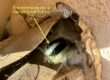
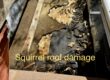
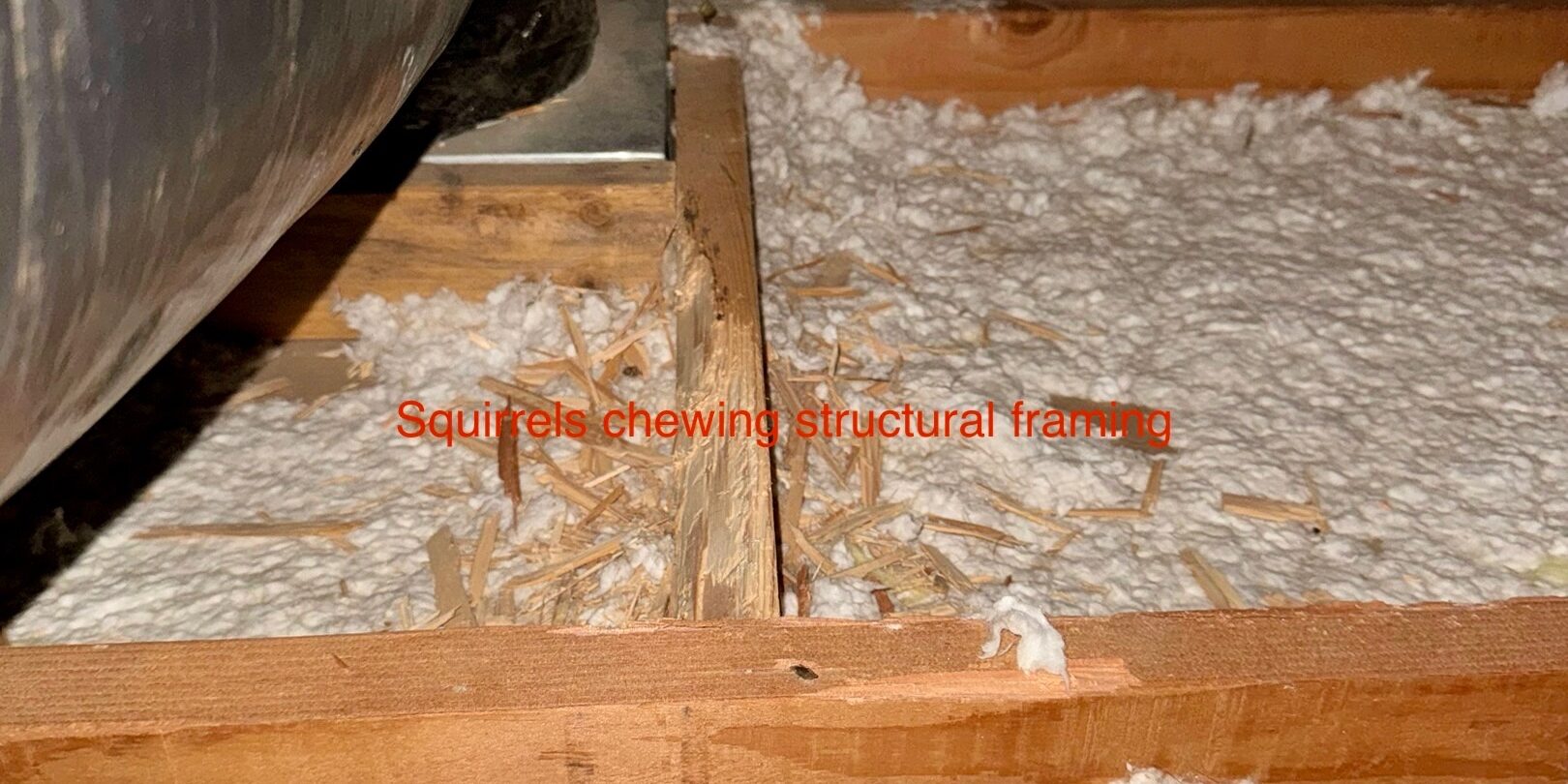
Instead of finding a lone squirrel, the inspection uncovered an established nesting area inside the attic. The squirrels had apparently been using the space for shelter, moving through the insulation and chewing on materials around their nesting area. What the homeowner assumed was a minor inconvenience had developed into a much more complicated situation involving damaged roofing materials, compromised insulation, and electrical wiring that had been chewed by the animals.
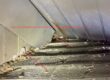
The damage extended well beyond the nest itself. Portions of the attic insulation were contaminated with animal droppings, nesting debris, and other evidence of wildlife activity. The squirrels had also exploited vulnerable areas around the roofline, enlarging openings that allowed them to move between the attic and the outdoors. Most concerning was the discovery of damaged electrical wiring, which can create a potential fire hazard when protective insulation has been chewed away.
For the homeowner, the discovery was shocking. She had imagined one small animal running around above her ceiling, not an established nesting area capable of causing thousands of dollars in potential repairs. The sounds she had been hearing were merely the first noticeable warning signs of a much larger problem.
How Do Squirrels Get Into Granite Bay Homes?
Granite Bay’s mature trees, beautifully landscaped neighborhoods, and residential greenbelts make the community an attractive environment for squirrels. While these animals are a familiar part of the local landscape, they can become a serious nuisance when they decide to move indoors. Attics offer warmth, shelter from predators, and a protected environment for nesting, making them particularly appealing to squirrels looking for a safe place to raise their young.
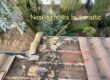
Squirrels are excellent climbers and remarkably persistent chewers. They often reach rooftops by climbing nearby trees, fences, or exterior building surfaces, then search for weak spots where they can gain access. Common entry points include deteriorating fascia boards, damaged soffits, loose roof vents, gaps around chimneys, and vulnerable areas along roof edges and eaves. Even relatively small openings can become larger when squirrels begin chewing through surrounding wood or other materials.
Overhanging tree branches can make the situation worse by providing an easy pathway onto the roof. Once squirrels discover a convenient entry point, they may continue using it repeatedly. This is why removing the animals without identifying and properly repairing their access points often provides only a temporary solution. Unless those vulnerabilities are addressed, the same squirrels or other wildlife may eventually return.
Warning Signs You Might Have Squirrels in Your Attic
Many homeowners don’t realize squirrels have moved into their attic until the animals have already established a nesting area. Fortunately, there are several warning signs that can help identify a potential infestation before extensive damage occurs.
One of the most common indicators is the sound of running, scratching, or chewing coming from above the ceiling. Unlike some nocturnal pests, squirrels are generally active during daylight hours, particularly in the early morning and late afternoon. Homeowners who regularly hear quick footsteps or repeated scratching noises during these periods may be hearing squirrels moving through the attic.
Visible activity around the exterior of the home can provide additional clues. Squirrels repeatedly climbing onto the same section of the roof, disappearing beneath an eave, or entering a roof vent may have discovered an access point. Chewed wood, damaged fascia boards, and deteriorating materials around the roofline can also indicate an ongoing problem.
Inside the attic, signs may include disturbed insulation, nesting materials, droppings, or unusual odors. In more serious cases, squirrels can chew through electrical wiring insulation, creating potentially dangerous conditions. Any suspected wiring damage should be evaluated by a qualified electrician.
Because these warning signs can overlap with those of rats, mice, raccoons, and other wildlife, a professional inspection is often the most reliable way to determine exactly what has moved into the home and how the animals are getting inside.
First Came Humane Wildlife Removal. Then the Real Repairs Began.
For the Granite Bay homeowner, discovering the squirrels was only the beginning. The next challenge was safely removing the animals, cleaning up the damage, repairing the affected areas, and making sure the problem wouldn’t happen again. Fortunately, Thomas Wildlife Control & Roofing could coordinate the different stages of the project rather than leaving her to find separate contractors for every issue.
The process began with humane squirrel eviction. Proper wildlife removal involves identifying the animals’ entry points, assessing their nesting activity, and determining whether dependent young are present. This is particularly important because sealing an opening while animals remain inside can trap them, cause additional damage, or separate young squirrels from their mother. The priority was to resolve the wildlife activity before beginning permanent repairs.
Once the squirrels were safely removed, attention shifted to the attic. Contaminated nesting materials and damaged insulation needed to be addressed, along with the accumulated debris left behind by the animals. The affected areas were evaluated for cleanup and restoration, while the damaged electrical wiring required attention from an appropriately qualified professional. What initially seemed like a simple wildlife removal appointment had turned into an attic restoration and home repair project.
Next came the necessary roof repairs. The openings that allowed the squirrels to enter had to be repaired using appropriate roofing materials and techniques. This step was especially important because improperly repaired roof openings can create additional problems, including moisture intrusion, leaks, and long-term structural damage.
Finally, the team completed wildlife exclusion work designed to prevent future infestations. Exclusion involves identifying vulnerable access points and securing them with appropriate materials while preserving necessary ventilation and the integrity of the roofing system. The goal wasn’t simply to remove the squirrels that had taken up residence in the attic, but to reduce the chances of another animal moving in once the repairs were finished.
Why Hiring One Company for Wildlife Removal and Roof Repair Matters
One of the biggest surprises for the homeowner was learning that wildlife removal and roof repair are not necessarily the same trade. Many wildlife removal companies focus on trapping, eviction, and sealing minor entry points. However, when squirrels have chewed through roofing materials, damaged flashing, or compromised structural areas of the roof, the repairs may require a contractor with a separate professional license.
In California, roofing work generally falls under the C-39 Roofing contractor classification established by the Contractors State License Board. This distinction matters because a company that is experienced in wildlife removal isn’t automatically licensed to perform every type of roofing repair. Homeowners who hire a wildlife removal company without appropriate roofing capabilities may find themselves coordinating additional contractors to complete the job.
That’s where Thomas Wildlife Control & Roofing offers an important advantage. Choosing a Granite Bay squirrel removal company that can coordinate humane wildlife eviction, attic cleanup, insulation replacement, exclusion services, and licensed roof repairs makes the entire process more manageable. Rather than juggling multiple companies, homeowners can work with one provider to address the infestation and coordinate repairs to the damage left behind.
For this particular homeowner, having one company manage the project was a tremendous relief. She didn’t have to arrange separate inspections, collect competing estimates, or worry about whether the wildlife removal work and roof repairs were being properly coordinated. Instead, the problem could be approached as a complete restoration and prevention project, with each stage connected to the next.
Why You Shouldn’t Ignore Squirrels in Your Attic
It’s easy to underestimate squirrels, especially in communities like Granite Bay, Roseville, Rocklin, Loomis, and Lincoln, where they’re a familiar sight in backyards, parks, and neighborhoods. Watching squirrels chase one another through trees can be entertaining, but those same animals can cause serious damage when they begin nesting inside a home.
Squirrels have powerful front teeth that continually grow, which means chewing is a natural part of their behavior. Unfortunately, that chewing can extend to wood, insulation, electrical wiring, and roofing components. When animals establish nests inside attic spaces, they can also introduce droppings, nesting debris, and contamination that may require professional cleanup. Roof openings created or enlarged by wildlife can allow rainwater and moisture to enter, potentially causing problems that extend well beyond the original infestation.
The financial impact can also increase over time. What begins as a relatively minor entry-point repair can become a larger project involving insulation replacement, electrical work, roofing repairs, and attic restoration. Addressing the problem early can help limit damage and reduce the likelihood of additional repairs.
The important thing for homeowners to understand is that simply making the noises stop doesn’t necessarily mean the problem has been solved. A thorough approach should address the animals, the conditions that allowed them inside, the damage they caused, and the measures needed to discourage future wildlife activity.
The Halloween Mystery Was Solved, but the Lesson Will Last
For this Granite Bay homeowner, the strange noises above her ceiling turned out to have nothing to do with ghosts, haunted houses, or Halloween decorations. The frightening part wasn’t supernatural at all. It was discovering just how much damage squirrels could cause while living unnoticed above her ceiling.
Fortunately, the situation was addressed through humane wildlife removal, attic cleanup, necessary repairs, and preventive exclusion. While the experience was stressful and considerably more involved than she originally expected, she was relieved to have one company coordinate the process instead of dealing with multiple contractors.
Her experience offers a valuable reminder to other homeowners throughout Placer County: if you hear something running across your ceiling, don’t assume it’s harmless or that the animal itself is the biggest problem. The damage you can’t see inside your attic may be far more serious than the noises you can hear.
And while strange sounds in the house might make for a fun Halloween story, an attic full of squirrels is one surprise no homeowner wants to discover.
Hearing Scratching or Running Noises in Your Ceiling? Contact Thomas Wildlife Control & Roofing.
If you’re hearing strange noises in your attic, seeing squirrels around your roofline, or noticing signs of wildlife damage, don’t wait for the situation to get worse. Thomas Wildlife Control & Roofing helps homeowners throughout Granite Bay, Roseville, Rocklin, Lincoln, Loomis, and surrounding Placer County communities address wildlife intrusion, attic damage, roof repairs, and exclusion needs.
From identifying the source of an infestation to coordinating humane removal, attic restoration, and necessary roof repairs, the goal is to help homeowners resolve the entire problem rather than simply making the noises stop.
Contact Thomas Wildlife Control & Roofing today to schedule a professional wildlife inspection. Because when something goes bump in the night, it’s better to find out what’s living above your ceiling before it causes even more damage.